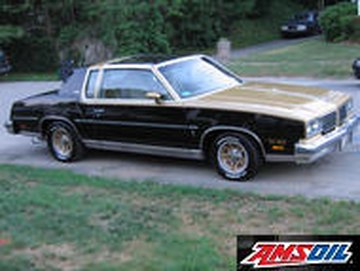
Maintaining Lubrication Standards for the 1980 Oldsmobile CALAIS 5.0L
Proper engine care for a vehicle of this era requires a focus on consistent monitoring and adherence to specific fluid requirements. For an owner of a 1980 Oldsmobile CALAIS with the 5.0L engine, maintaining the internal lubrication system is a primary component of long-term mechanical health. Because older engines operate under different thermal and mechanical stresses than modern counterparts, understanding how to inspect and replenish vital fluids is essential for preventing unnecessary wear.Monitoring Fluid Integrity and Condition
Regularly checking the condition of your engine oil can provide early indications of how the engine is performing. When you pull the dipstick to check levels, take a moment to observe the color and texture of the lubricant. While oil naturally darkens over time due to use, an extremely thick or gritty consistency may suggest that service intervals have been exceeded or that contaminants are present. If you notice any unusual odors or significant changes in how the oil looks, it warrants closer investigation. For example, a milky appearance can sometimes be associated with coolant entering the lubrication system, which requires immediate attention to prevent internal damage. Similarly, if the oil level appears to be dropping more rapidly than expected between service intervals, it is important to inspect the surrounding areas for signs of seepage.Systematic Inspection of Aging Components
As vehicles age, various rubber and metal components undergo natural changes in their physical properties. For a 1980 Oldsmobile CALAIS, routine visual inspections can help identify potential issues before they lead to more significant mechanical concerns. When performing a routine check under the hood, look for the following:- Seals and Gaskets: Inspect various sealing surfaces for any signs of active seepage or dampness. While small amounts of "sweating" are common in older engines, active leaks should be addressed to maintain proper fluid levels.
- Hoses and Connections: If equipped, inspect visible hoses for signs of cracking, softening, or bulging. Ensure that all connections remain tight and show no evidence of weeping fluid.
- Drive Belts: If the engine is equipped with accessible drive belts, check them for glazing, fraying, or surface cracks. A belt that shows significant deterioration may eventually slip or fail, affecting accessory operation.
- Electrical Integrity: Check that wiring harnesses and electrical connectors are secure and show no signs of heat damage or corrosion, which can affect sensor accuracy and overall engine management.
Prioritizing Maintenance Based on Current Condition
For many owners of classic or older vehicles, the best approach to maintenance is to prioritize tasks based on the actual condition of the machine rather than strictly following an arbitrary age-based schedule. If you have recently acquired this 1980 Oldsmobile CALAIS and do not have a complete service history, your first priority should be establishing a baseline. This involves performing a thorough inspection of all fluids and filters and documenting their condition. Once you know the current state of the lubrication system, cooling system, and ignition components, you can create a personalized maintenance plan. If you find evidence of active leaks or aging belts during your initial assessment, these should be addressed before moving on to more preventative tasks. Keeping detailed records of every oil change, filter replacement, and observed leak is one of the most effective ways to manage an older vehicle. A well-documented history allows you to spot trends—such as a gradual increase in oil consumption or a recurring need for specific seals—which can help you make informed decisions about future repairs.Identifying Potential Operating Irregularities
It is important to remain observant of how the 5.0L engine behaves during different operating conditions. While many mechanical changes happen internally and are not visible, certain external symptoms can serve as indicators that something requires investigation. If you notice unusual mechanical noises during startup or while idling, this may indicate a need for closer inspection of the lubrication system or related components. Furthermore, any sudden changes in how the engine handles temperature should be investigated immediately. If the vehicle shows signs of overheating, it could be related to the cooling system's efficiency or the effectiveness of the engine's thermal management. Always remember that a single symptom can have multiple potential causes. For instance, an unusual smell near the engine might indicate oil contacting a hot surface, but it could also be related to other fluids or external debris. Rather than attempting to diagnose a specific component based on one observation, use these signs as prompts to perform a more comprehensive inspection.Effective Long-Term Ownership Strategies
Managing a vehicle from 1980 requires a shift in mindset from "reactive" repair to "proactive" monitoring. Instead of waiting for a component to fail, focus on the gradual changes that occur over years of ownership. This includes watching for the slow degradation of rubber components and the gradual loss of fluid integrity. If you are working with a vehicle where the previous maintenance history is unknown, do not assume that everything is in perfect working order. Instead, treat the first few months of ownership as an observation period. Use this time to monitor fluid consumption rates and the condition of all service items. This data will be invaluable when deciding whether to stick with conventional lubricants or move toward different formulations as the engine continues to age.Practical Guidance for Buying Engine Oil for your 1980 Oldsmobile CALAIS 5.0L
When it is time to replenish your engine's lubrication, the most important step is ensuring that the product you select matches the specific requirements of your application. Because different engines require different chemical properties and thicknesses to operate correctly, you should never rely on general knowledge or assumptions based on the vehicle's age. To ensure proper protection for your 5.0L engine, match the engine oil to the application-specific viscosity information already displayed on this webpage. Before finalizing your purchase, follow these steps:- Verify Viscosity: Check the product label to confirm that the SAE viscosity grade matches the information provided in the application data above.
- Check API Certification: Ensure the oil carries a current and appropriate API certification to guarantee it meets modern standards for detergent and anti-wear properties.
- Consider Formulations: Depending on your engine's current condition, you may choose between conventional, synthetic blend, or full synthetic oils. If the engine shows signs of higher mileage, some high-mileage oil formulations contain additives intended for use in aging engines, including seal-conditioning additives.
- Inspect Packaging: Always double-check the container to ensure you are not inadvertently purchasing a product intended for a different engine type or specification.